
From a pandemic-era low of 22% occupancy to a rebuilt and rebranded landmark, the story of Ndola’s Mukuba Hotel is a case study in what patient shareholder investment can achieve
By Staff writer
For more than three decades, Ndola’s Mukuba Hotel has carried an affectionate nickname earned the hard way: the “Gem of the Copperbelt.” Set in the city’s industrial area, it has long been woven into Ndola’s identity as the address for refined lodging and serious conferencing.
But by the end of the last decade, that gem had lost much of its shine, and its turnaround since is now one of the clearest illustrations of what the Industrial Development Corporation (IDC) has set out to do with Zambia’s struggling state-owned enterprises.
Mukuba Hotel’s story began in 1986 under the auspices of the Zambia International Trade Fair (ZITF), opening its doors to the public in 1988 in a ceremony officiated by first President, Dr Kenneth David Kaunda. Its original purpose was practical: to house VIPs and dignitaries attending the Trade Fair. Ownership was initially split between the Government of the Republic of Zambia and ZITF, at 24% and 76% respectively, until August 2015, when the hotel’s full shareholding was transferred to the IDC.
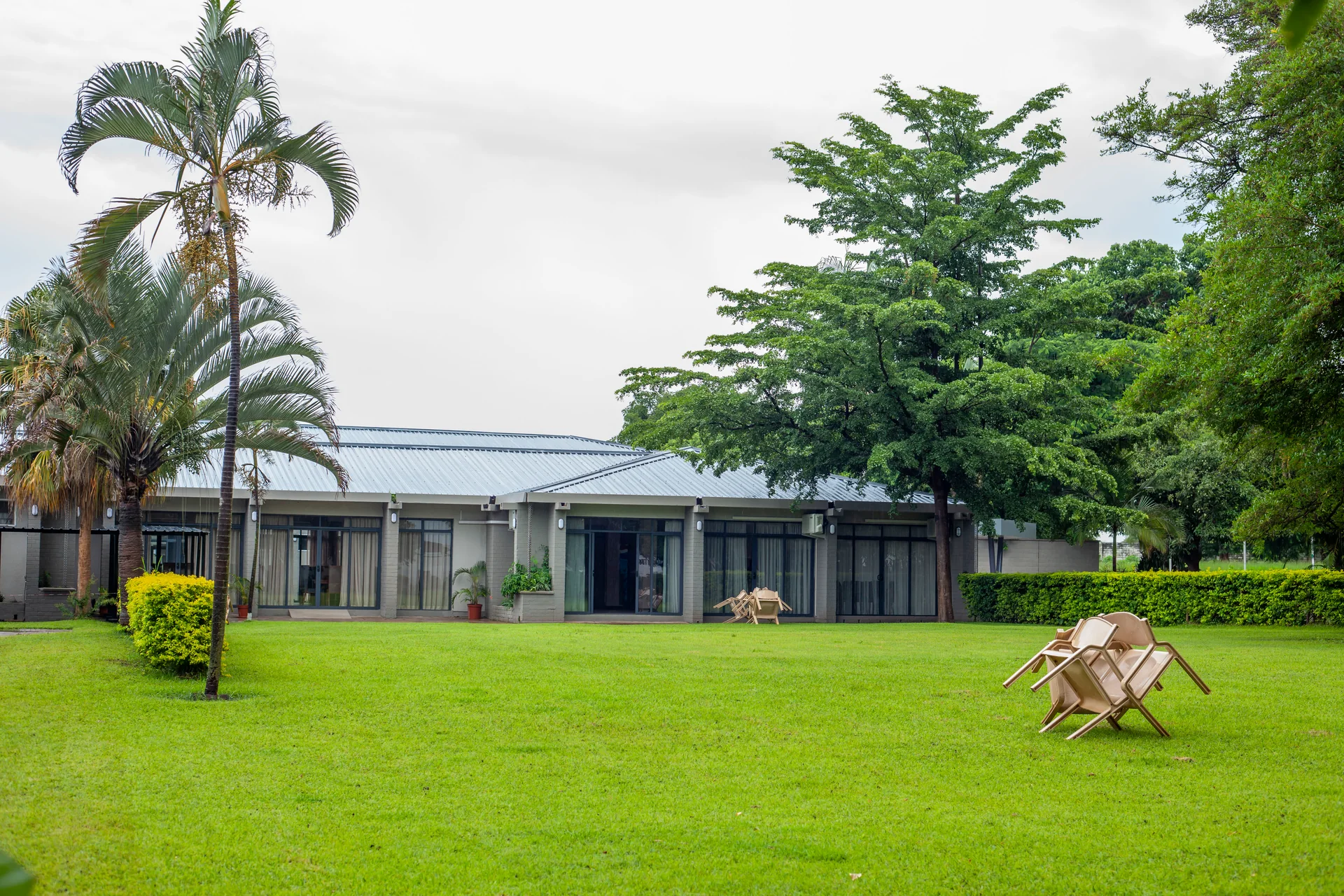
Set on a tranquil site adjacent to the Trade Fair Grounds, with impalas and peacocks roaming its grounds, the hotel built its reputation on that rare mix of natural charm and attentive service. But without significant reinvestment, the physical plant aged, competitors multiplied, and the numbers began to tell an uncomfortable story.
The hotel’s occupancy rate stood at 59% in early 2019. A year later, it had collapsed to just 22%, a fall mirrored by a corresponding drop in revenue. It was this deterioration that pushed the IDC, in 2021, to draw up a comprehensive turnaround strategy in line with its mandate to restore struggling state enterprises to profitability.
The timing could hardly have been worse. Before the plan could get off the ground, COVID-19 brought global travel to a standstill. Zambia’s Government ordered hotels, bars, restaurants, gyms and sporting venues to close, and scaled back conferencing and public gatherings. For an enterprise already losing ground, the pandemic posed an existential threat.
Rather than simply wait out the pandemic, the IDC used the enforced closure as a window for action. In line with the hotel’s 2020–2022 strategic plan, it launched an extensive refurbishment, injecting capital as majority shareholder, overseeing infrastructure renovation, and steering the property through what would become a full renaissance.
The work was thorough. In January 2023, a substantially made-over Mukuba Hotel reopened its doors, its 30 standard rooms, 16 twin rooms, four executive suites and two presidential suites all rebuilt to contemporary standards. The restaurant, kitchen, bar and conference facilities were reimagined too, blending modern finishes with the property's established character, the rebrand aimed at elevating the guest experience without erasing the hotel’s history.
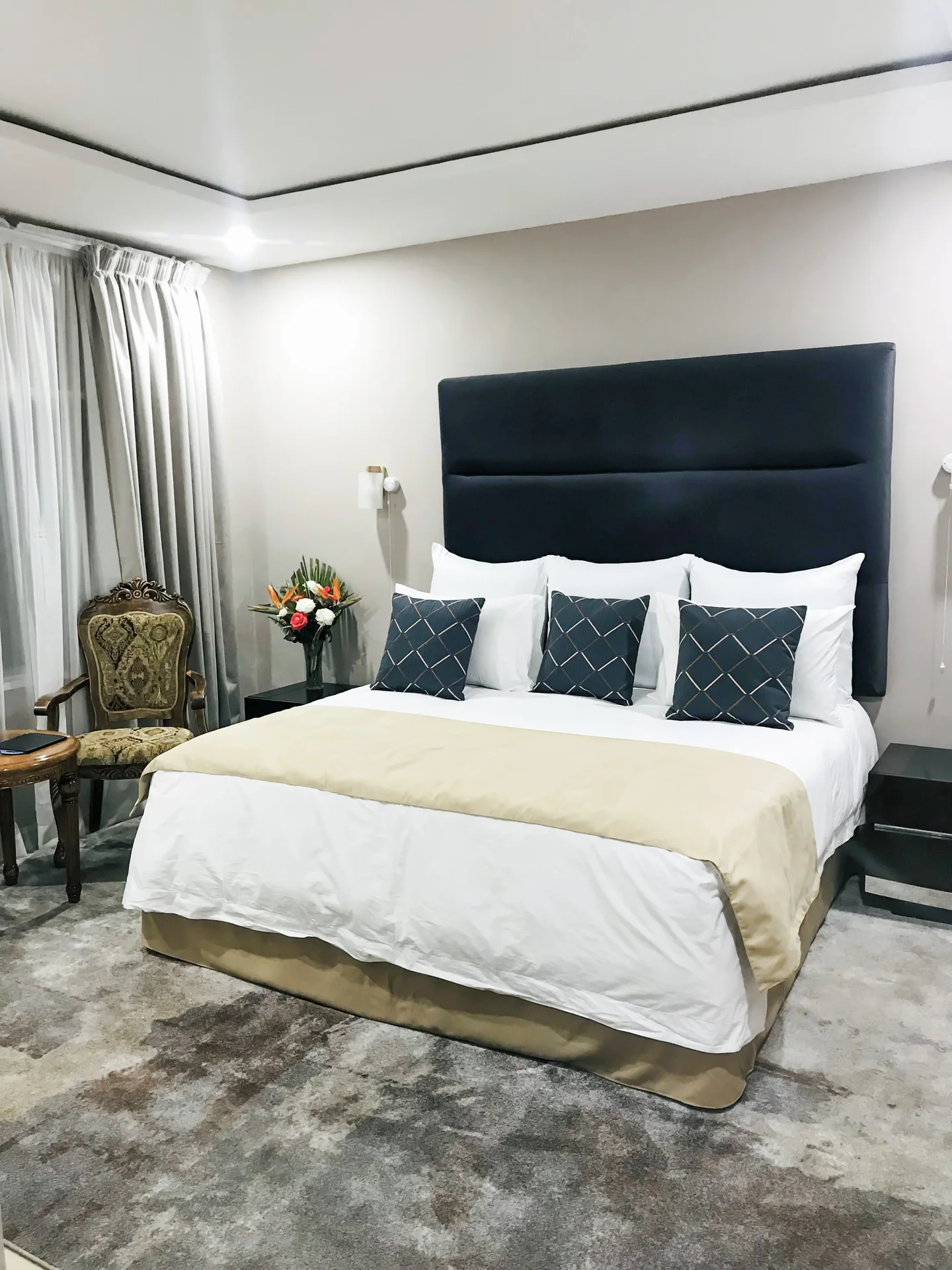
Hotel management reports that the impact has been immediate and measurable. Acting General Manager Mrs Ireen Bunda says business has improved markedly since the makeover.
“Our projections indicate that we will soon surpass previous occupancy rates. Our target is to hit 100%,” says Acting General Manager Ms Ireen Bunda.
She adds that the current priority is to build organic occupancy beyond the conferences and events the hotel has been hosting, in other words, to convert Mukuba’s renewed reputation into steady, everyday bookings rather than relying on set-piece functions alone.
That shift is already visible on the ground. The hotel now presents itself with an expanded offering: modern en-suite rooms, serviced flats and a guest house alongside its dining venues, conference space, a gym and a swimming pool – and has leaned into its cultural roots, naming venues such as the Imbalasa Conference Hall and Chondwe Restaurant in tribute to local Lamba heritage.
The turnaround has not been framed purely in terms of infrastructure. In December 2025, the hotel hosted its inaugural Mukuba Awards Gala, recognising more than 35 partner organisations, including corporate names such as Shoprite, Dangote and NAPSA, for their support through the years, alongside a tribute to Senior Chief Chiwala, on whose land the hotel was originally built.
It is a small but telling shift in emphasis: from a hotel defined solely by its buildings and grounds, to one that presents its recovery as a shared achievement with the businesses, chiefdom and community around it.
The immediate priority remains occupancy, pushing past pre-pandemic highs and building a steady base of business and leisure travellers rather than depending on any single revenue stream. Beyond that, management has signalled ambitions to widen the hotel’s guest offering further, deepen its regional partnerships, and use the new Mukuba Awards platform to entrench the property’s role in Ndola’s civic and business life, not merely as a place to sleep but as a fixture of the city’s calendar.
For the IDC, the hotel’s revival also carries a wider significance. It is a concrete demonstration that its restructuring model – patient capital, hands-on shareholder oversight, and a willingness to use even a crisis like COVID-19 as a platform for reinvestment – can convert a loss-making legacy asset into a functioning, profitable business again.
As the sun sets over Mukuba’s grounds, casting its light across lawns still shared with impala and peacocks, the hotel’s new tagline captures the ambition simply: the “Perfect Stay.” For a property that only a few years ago was struggling to fill a fifth of its rooms, that promise is no longer just a marketing line, it is a target the numbers suggest may soon be within reach.