A modern processing plant, an expanding plantation and a new premium product line are turning around one of Zambia’s oldest agro-industrial estates
By Staff Writer
In the lush expanses of Kawambwa District in Luapula Province sits one of Zambia’s oldest agro-industrial ventures, a tea estate that has weathered five decades of liberalisation, decline and, most recently, a determined revival. Today, thanks to a new processing factory and an ambitious expansion drive, Kawambwa Tea Industries Limited (KTIL) is writing what may be its most promising chapter yet.
From pilot project to privatisation
The estate’s story began in 1969, when the Government established it as a pilot tea-growing project under its rural development agenda. This was part of the Government’s broader push to narrow the gap between rural and urban Zambia. The project was commercialised in 1975 under the Rural Development Corporation, which expanded the tea fields and built a processing factory, commissioned the following year.
Ownership shifted again in 1984 when the company came under ZIMCO, and once more in 1996 when it was privatised as Zambia moved from a controlled economy to a liberal, market-oriented one. That transition proved difficult: many newly privatised producers, Kawambwa Tea included, struggled to adapt to a more competitive market. Growth stalled, and in 2015 the Government repossessed the company’s assets and handed them to the Industrial Development Corporation (IDC) for rehabilitation. It was rebranded Kawambwa Tea Industries Limited.
A modern factory for an old estate
The turnaround began in earnest in 2020, when the IDC drew up a recapitalisation and modernisation plan designed to bring the company in line with contemporary market demands. Central to that plan was the construction of a new, modern tea processing factory capable of adding value through proper processing and packaging for both local and export markets.
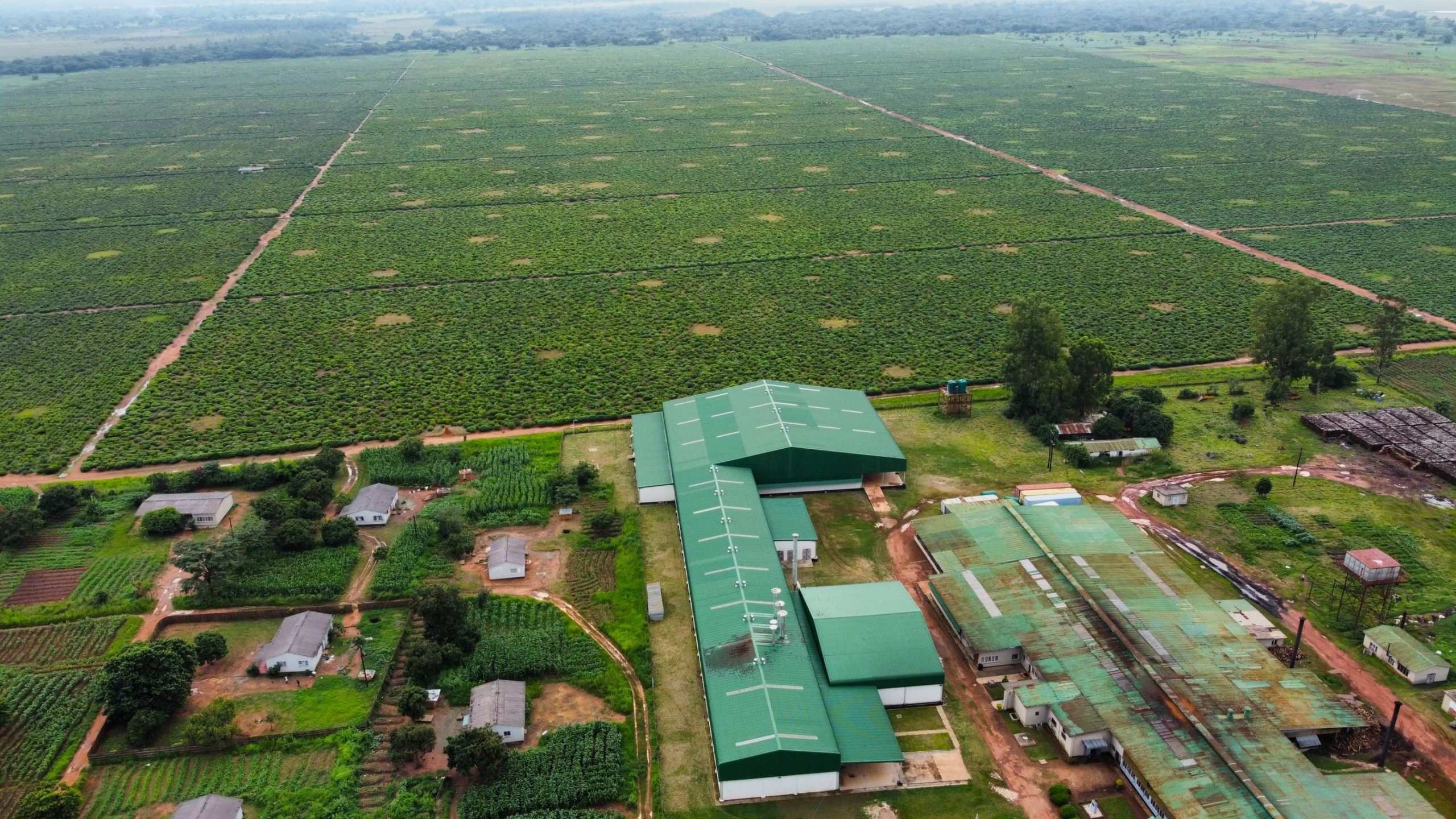
The results are already tangible. The new plant has doubled KTIL’s processing capacity, from 24 metric tonnes of tea per day to 50 metric tonnes, a leap that positions the company to supply both bulk and premium packaged tea at a scale it has not achieved before.
A bigger factory needs more leaf, and KTIL is expanding accordingly. The estate’s tea fields, currently covering 423 hectares of a 1,500-hectare farmland holding, are being scaled up to fill that full footprint. A three-hectare nursery has already been established to supply the cuttings needed for replanting and expansion, each nursery capable of producing up to 500,000 cuttings, enough to establish more than 60 hectares of new plantation.
The cuttings, imported from Kenya, bring in new varieties to diversify the estate’s offering and help combat a persistent weed problem. They join five tea varieties already under cultivation, including the green tea cultivars PC110 and PC113 and the high-yielding, drought-resistant SFS 150. Many of the existing tea bushes are around 45 years old, with the potential to keep producing leaf for up to a century. This is a reminder that this is as much an act of long-term stewardship as it is an industrial upgrade.
Back on the shelves
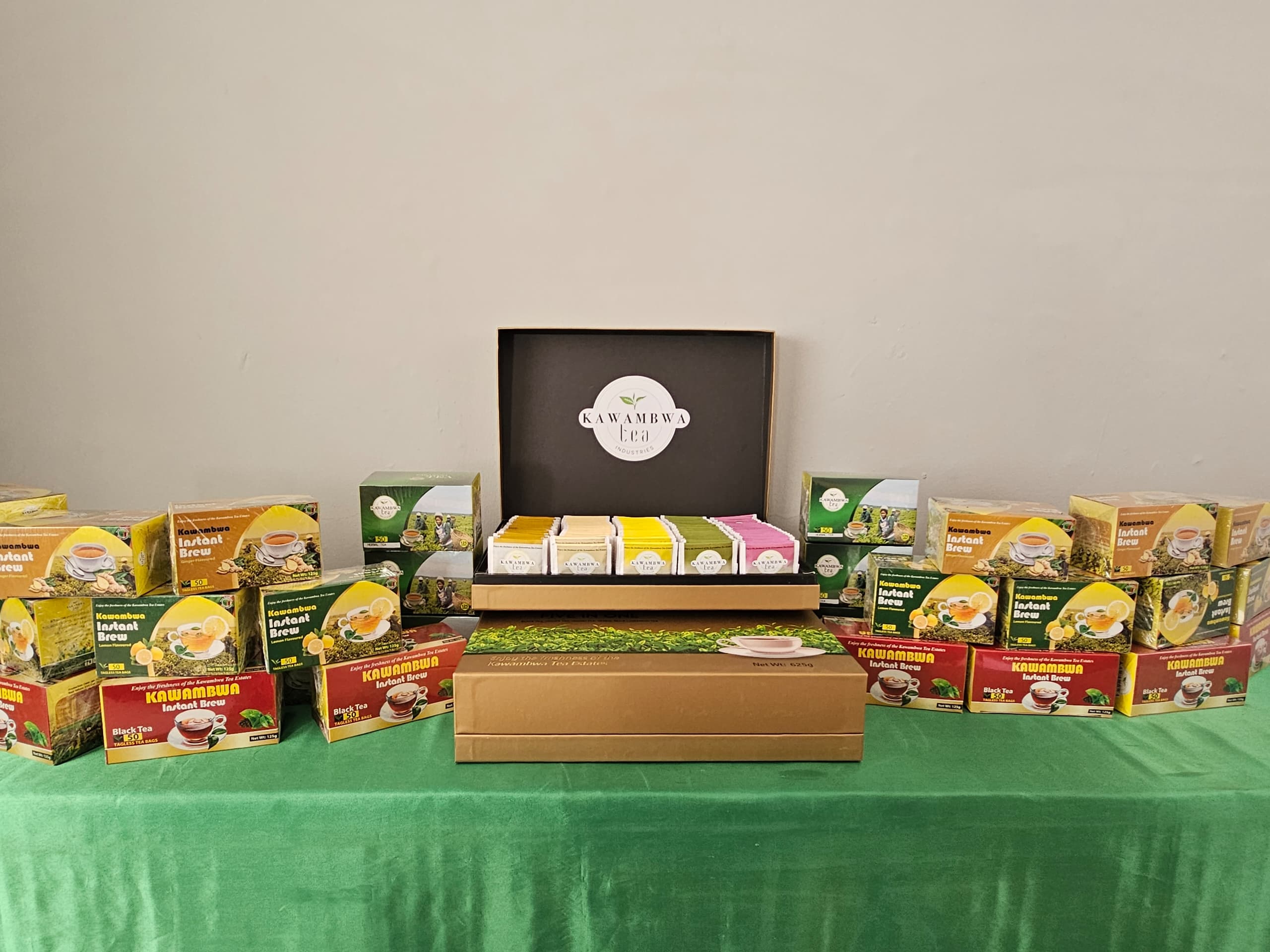
Perhaps the most visible change for ordinary Zambians is on supermarket shelves. For a company that had, for years, produced only bulk tea, the shift to premium packaged tea marks a major turnaround.
“There has been positive feedback from the market, as the general public is happy to see the Kawambwa Tea brand back on the shelves while displaying a variety of flavour,” says KTIL Marketing Manager Martin Nsama.
Mr Nsama says the company’s strategic focus has been to rehabilitate and expand the existing tea fields to meet what he describes as overwhelming demand. Since installing modern packaging equipment, KTIL has been distributing packaged tea nationwide, with products already on the shelves of major chain stores including Shoprite, Pick n’ Pay and Melisa Supermarket. Discussions with other retail chains, he adds, are at an advanced stage and expected to conclude soon.
Livelihoods and what comes next
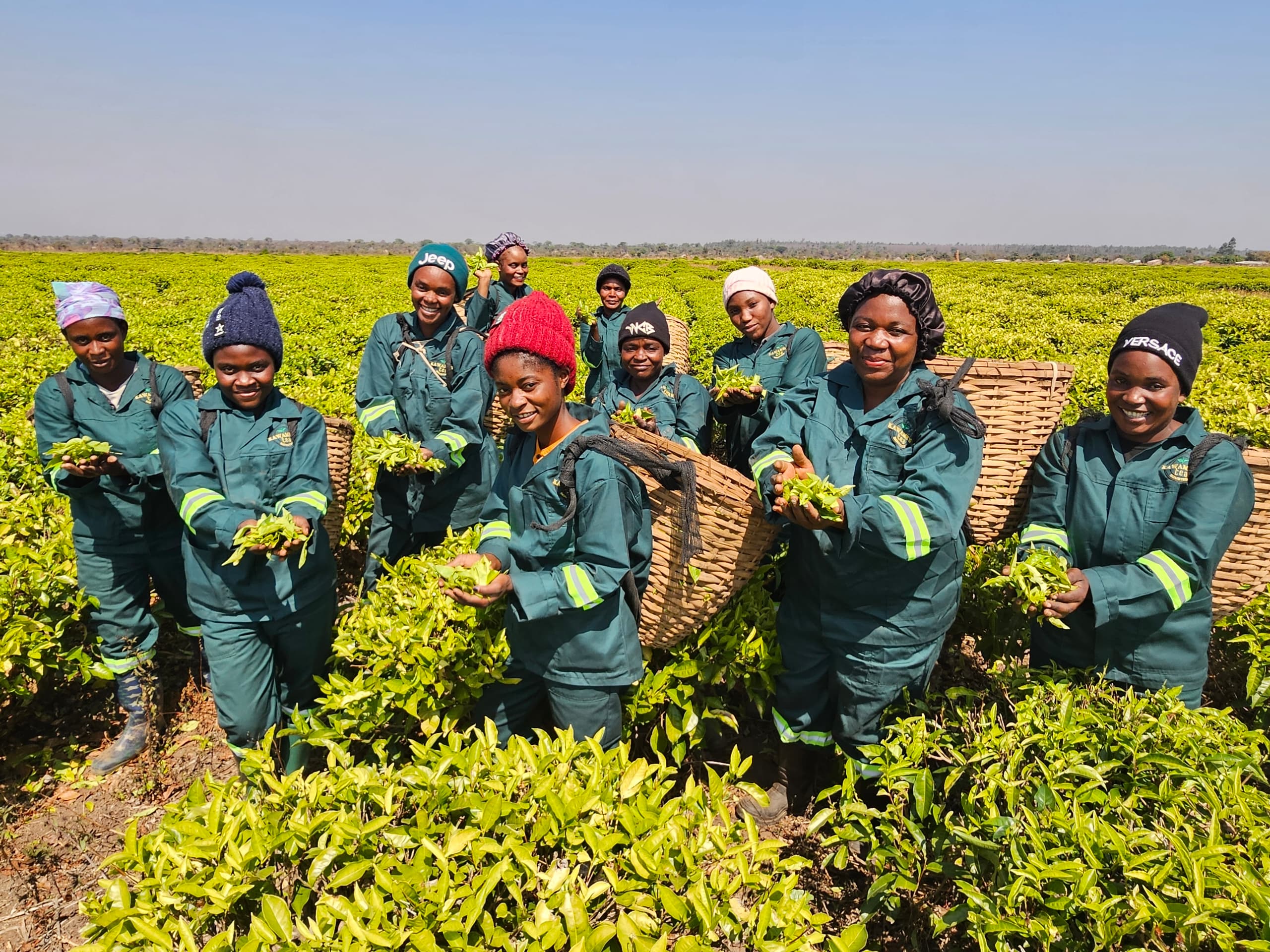
The revival has also translated into employment. KTIL currently employs 200 permanent staff and up to 700 seasonal workers, the majority of them women, a significant source of livelihoods in a rural district with limited formal employment opportunities.
Looking ahead, the company is planning an out-grower scheme to widen community participation in tea growing and boost the volume of green leaf feeding into the new factory. More than 110,000 hectares in the neighbouring Luena Farm Block have been earmarked for the scheme, with priority to be given to former employees of the tea company.
For Mr Nsama, the company’s ambitions extend well beyond restoring old capacity. He says KTIL intends to remain innovative by introducing new product lines, deepening its footprint in the local market, raising brand visibility, and ultimately positioning Kawambwa as the country’s most preferred tea brand.
More than half a century after it began as a rural development experiment, Kawambwa Tea is being rebuilt as a modern, competitive agro-industrial enterprise – one new hectare, one new flavour, and one new customer at a time.